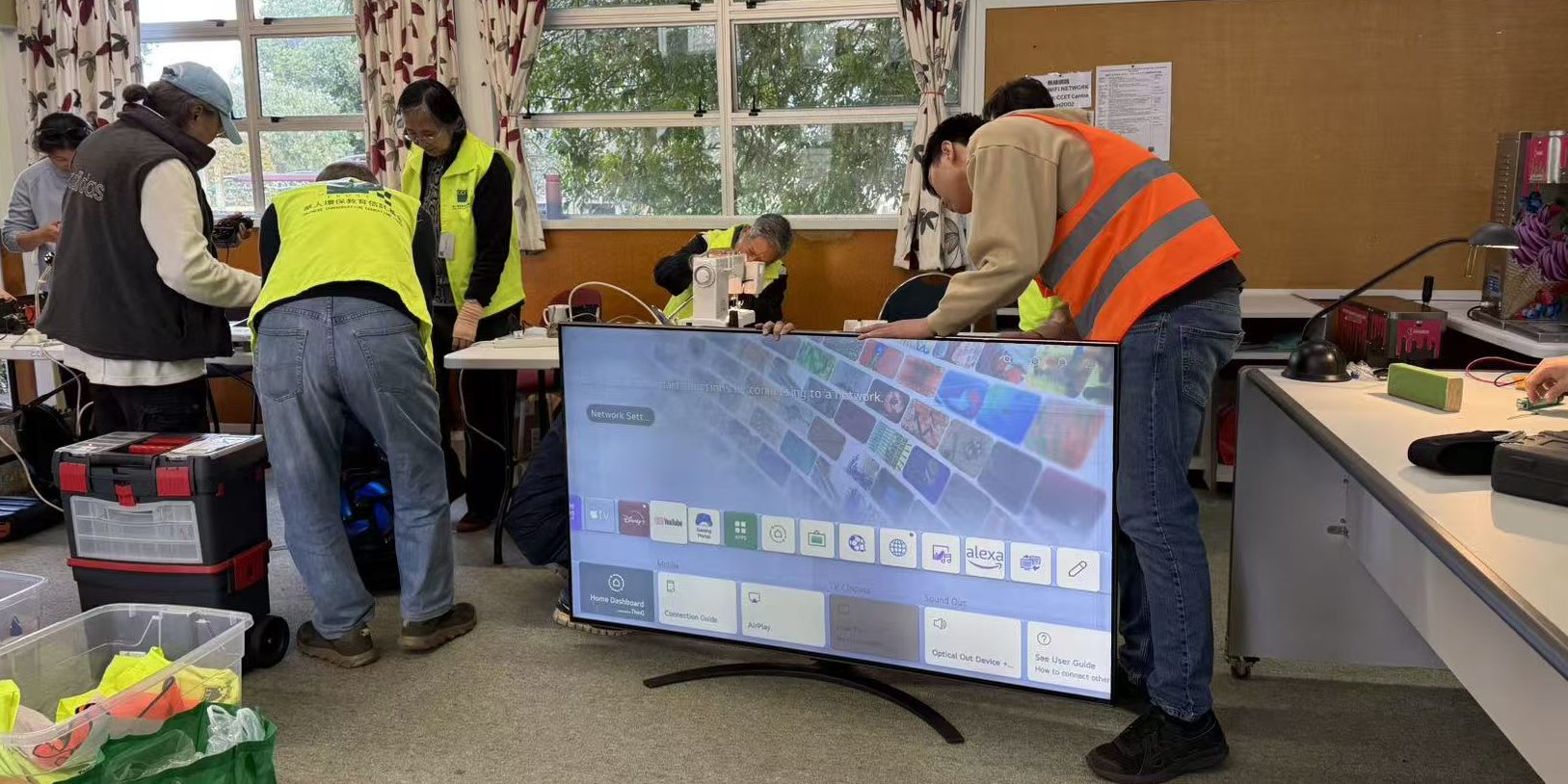
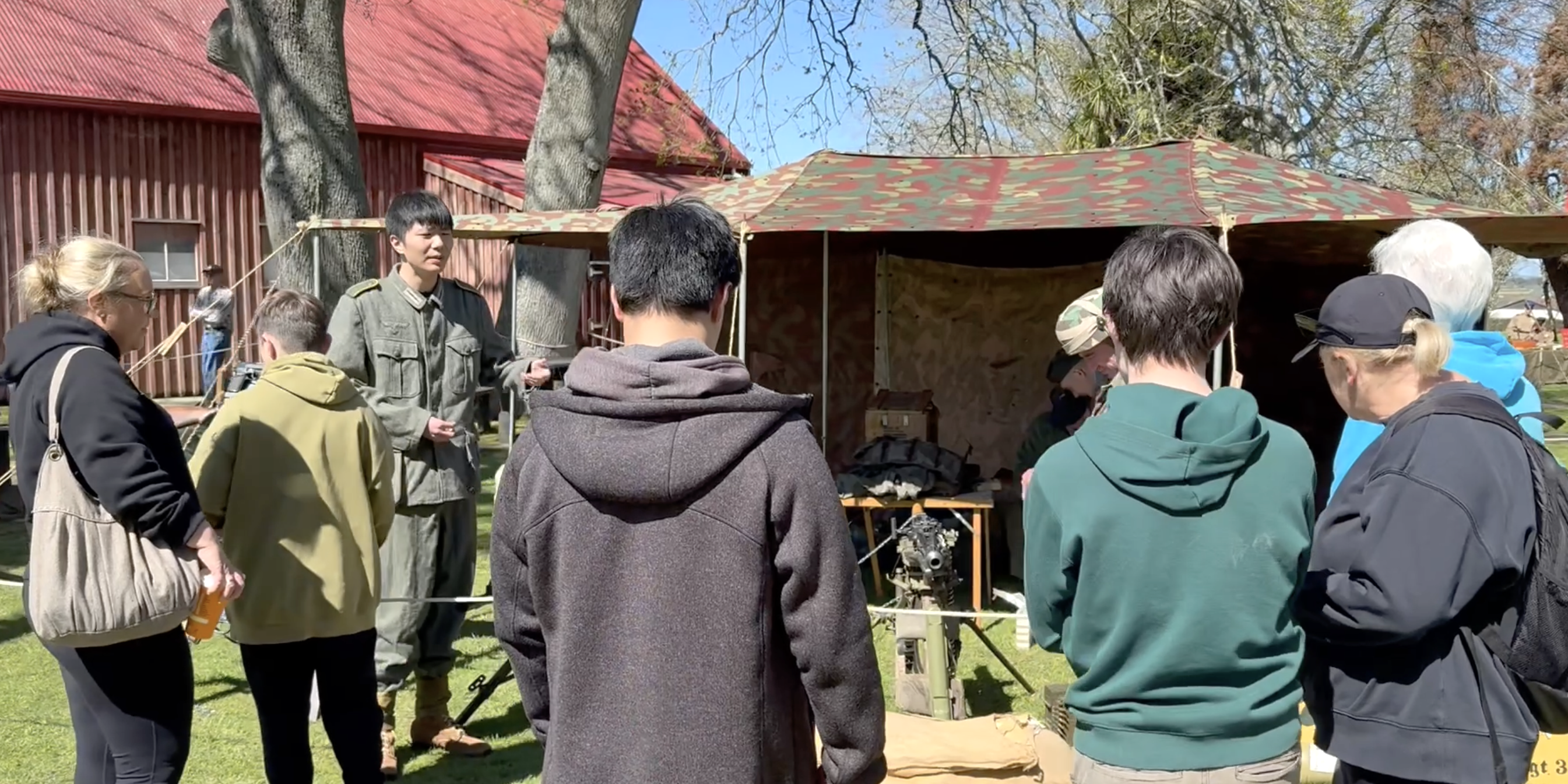
Hit play on this video, and you’ll see me in a dark hoodie, laughing our heads off with Emma, a fellow volunteer at CCET (Chinese Environmental Education Foundation). That day, we were in the community garden—we’d just finished explaining to a group of elementary kids “why earthworms are soil’s best friends.” Even now, when I think back to that moment, I can still smell the earth and the joy in the air.
When I first signed up to volunteer at CCET, half the reason was curiosity about how New Zealand “weaves environmental protection into daily life”; the other half was a hunch: if the Chinese community wants to get into eco-action, we first need to make sure everyone “understands it and wants to listen.” But once I actually started, I realized translating environmental content is way harder than textbook English—terms like “composting” and “native vegetation” need to be both accurate and down-to-earth, which takes a lot of brainpower.
Take the community garden event in the video, for example: Emma led everyone in hands-on practice with a “rainwater collection system,” and I had to translate her English explanation into Chinese for the Chinese families there. When Emma picked up a big plastic bucket to demonstrate, she suddenly said, “This thing can soak up plenty of rainwater to keep the plants alive.” I paused for half a second, then quickly translated: “This big bucket stores rainwater, and when the plants are thirsty, we can ‘feed’ them with it.” The kids nearby immediately crowded around the bucket, circling it to check it out—and even the adults laughed along. In that moment, it clicked: translation isn’t just swapping languages; it’s turning “serious eco-knowledge” into little stories people can understand with a smile.
Another time, I translated a Chinese auntie’s “household waste sorting tips” for local visitors. Mid-talk, she picked up some leftover orange peels: “Don’t throw these away—bury them in flower pots, and the flowers will grow really well!” As soon as I translated that, a Kiwi uncle’s eyes lit up. He leaned over and said in broken Chinese: “I’ll try this at home!” The next time I volunteered, he actually brought the “peel compost jar” he’d made to share. That earnest, cute energy made me feel like this volunteer work was totally worth it.
During my time at CCET, I’ve grown more and more fond of this “using language as a bridge” feeling: translating New Zealand’s ecological protection experiences into expressions familiar to the Chinese community, and sharing the small eco-wisdom of Chinese families with local friends. Just like the laughter in the video, environmental protection was always meant to be relaxed and warm—no matter what language you use, the intention to “make the earth better” is always understood. Now, every time I see someone in my neighborhood watering flowers with leftover vegetable-washing water, I secretly think: Maybe it was one of CCET’s little stories that quietly influenced them~