Do you ever have that experience? Stare at something in a daze, and suddenly—boom—an idea pops up? That’s exactly how my research on shared e-scooter helmets started. One day after school, I saw a shared e-scooter by the road with its helmet tied to the handlebars with a steel cable. It was all dusty, and someone had even just tossed it in the basket—no one was wearing it at all. In that moment, a thought hit me: this helmet looks like just a decoration. Can it actually protect someone if something goes wrong?
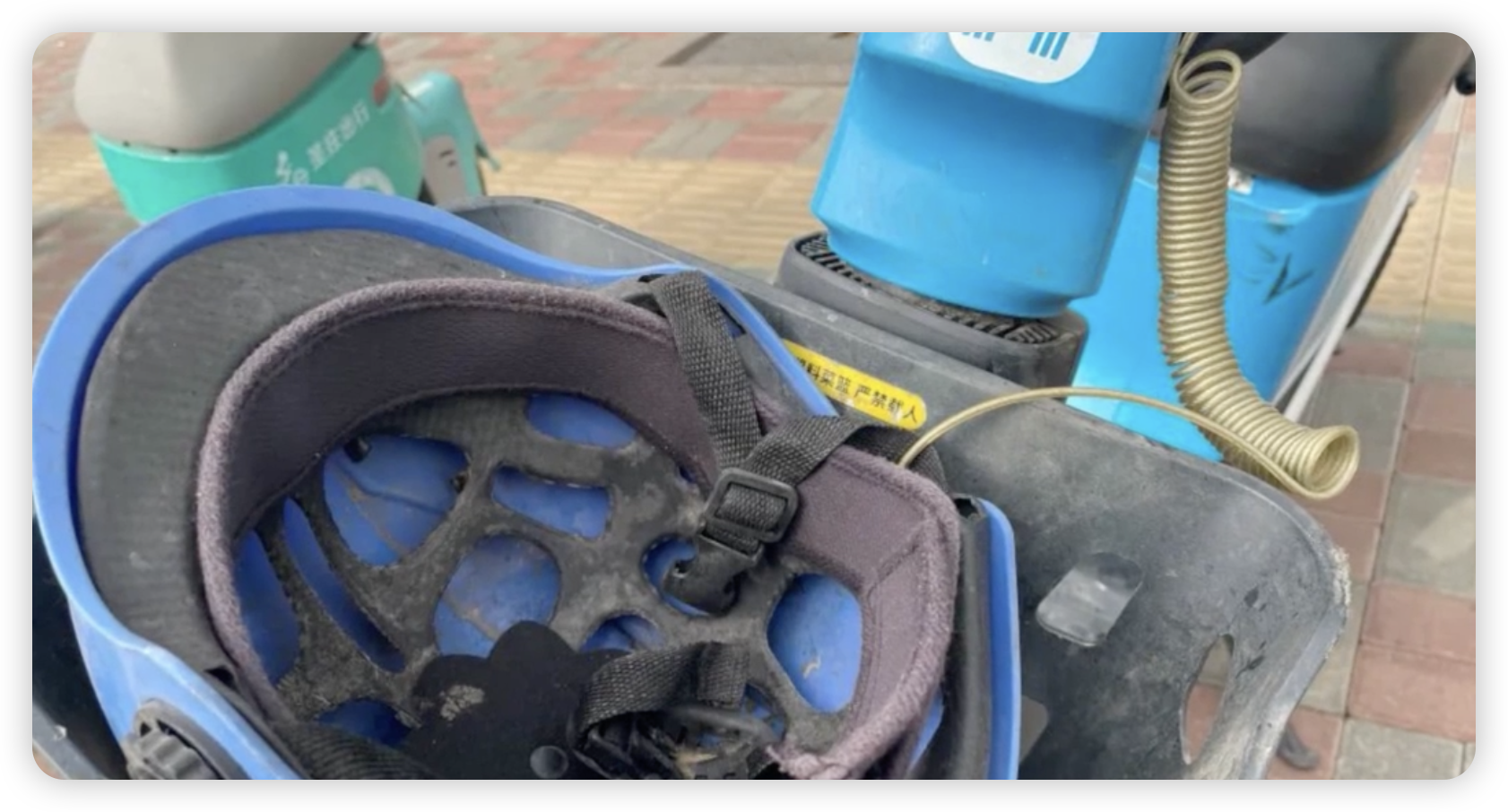
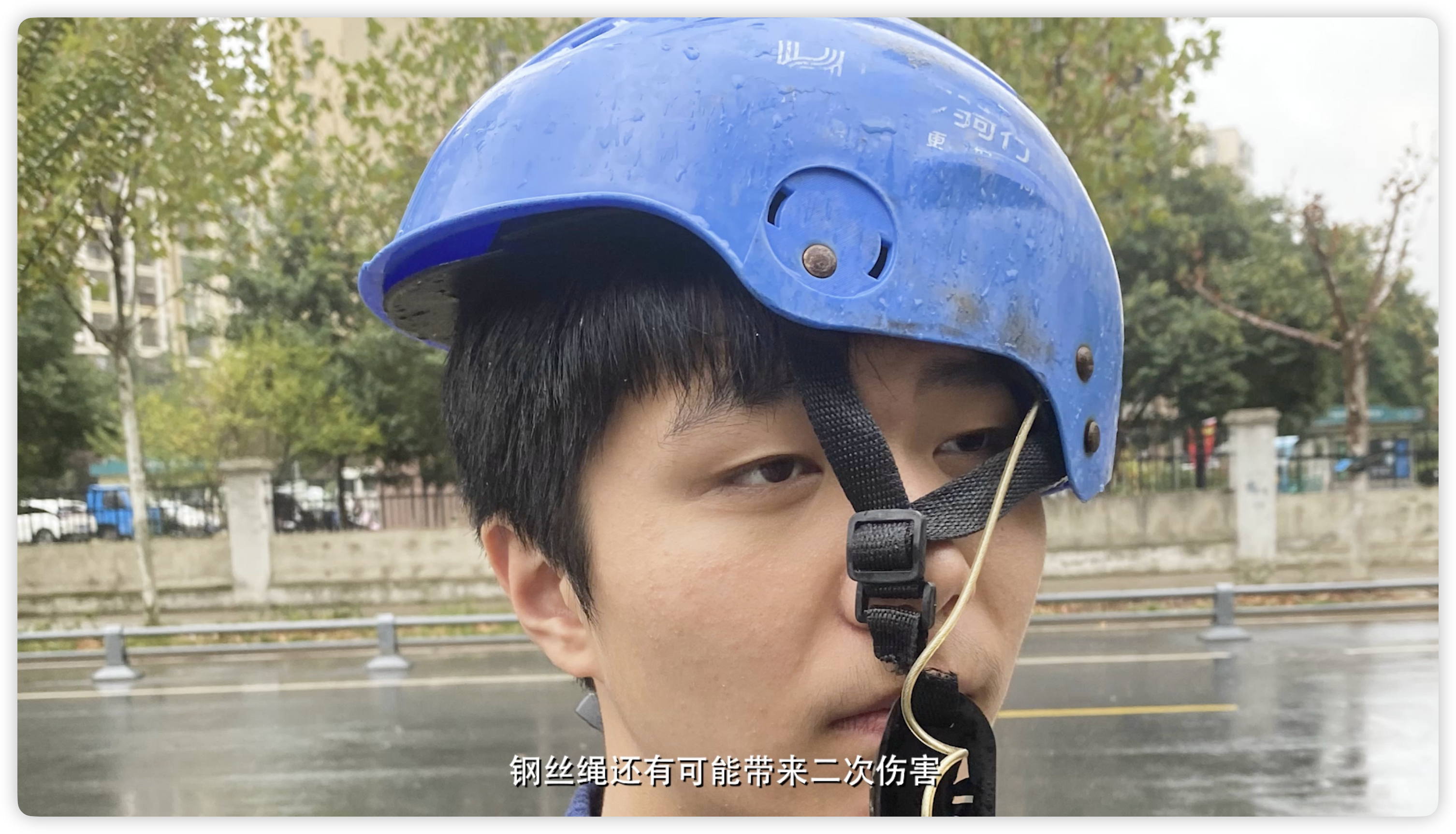
Later, I found out this wasn’t an isolated case at all. In many parts of China, shared e-scooter helmets are all secured with steel cables. People either think “it’s a hassle to wear,” find the helmet dirty, worry about breaking it, or even sneak it off… The result? Lots of riders don’t wear the helmet properly at all. But this is a major safety issue! Worse still, if there’s an accident, a poorly worn helmet won’t protect you—and that steel cable might even make things worse, causing a secondary injury.
As someone who’s always wondering “can we make this better?,” I couldn’t sit still the more I thought about it: I had to find a way to fix this problem! And I made a silent vow: the solution had to be practical—it couldn’t cost too much, and it had to be easy to promote. After all, this is a livelihood issue we’re talking about.
So I started tinkering with a solution. Here’s what I finally came up with: install an electronic lock on the shared e-scooter to secure the helmet. Riders scan a QR code with their phone to unlock the helmet. Once they put it on, they have to take a short video of themselves wearing the helmet and upload it. The system uses computer vision recognition technology to confirm the helmet is worn correctly and properly—and only then will the e-scooter power on for riding. When returning the scooter, they have to lock the helmet back into the latch, take another video to confirm it’s locked, and then the system deducts the fee and ends the trip.
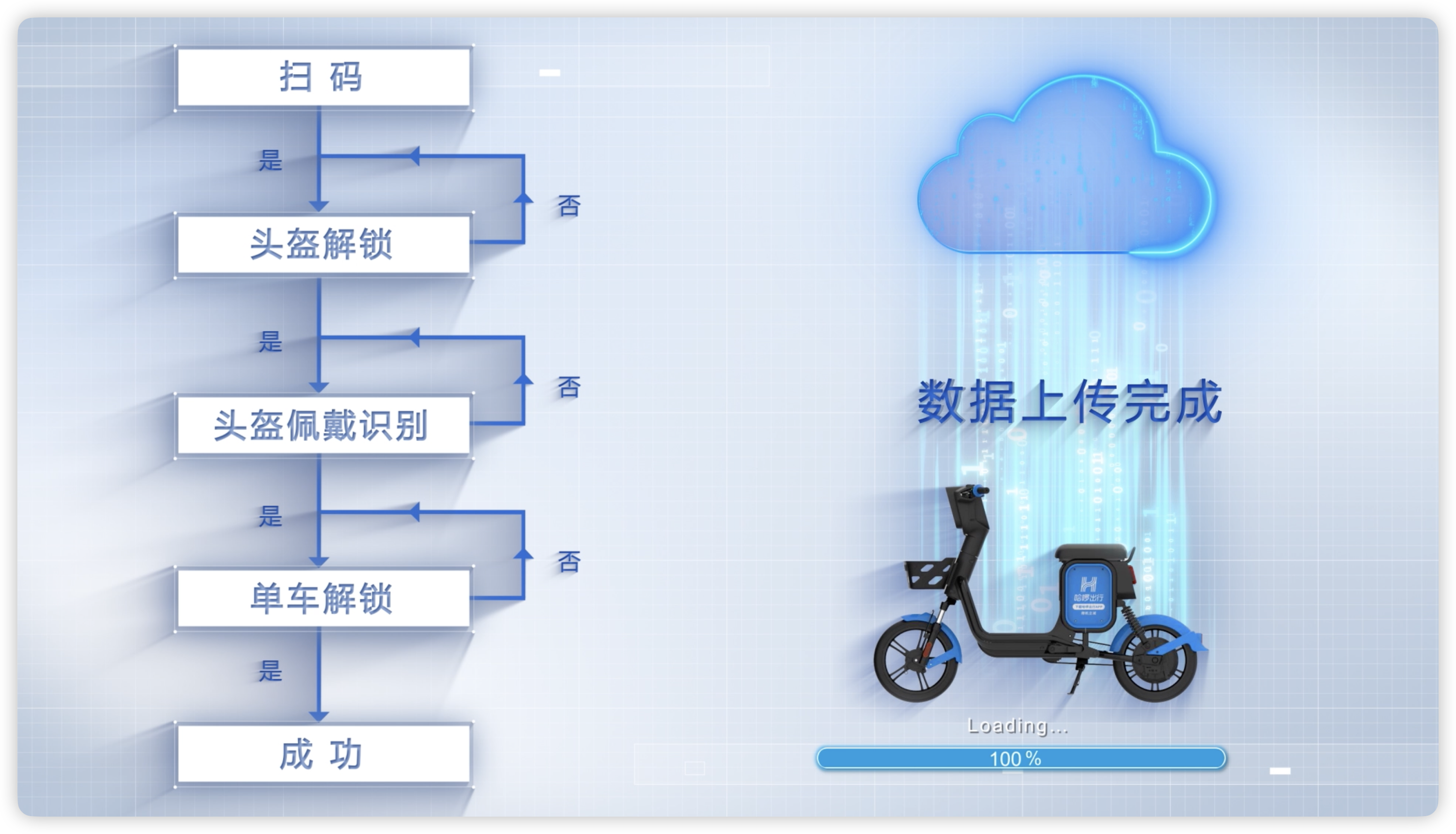
Does that sound like giving the helmet a “smart butler”? It relies on AI to “see” if the helmet is worn right or locked properly in the video, then tells the e-scooter “whether it can start or not,” and even uploads all that data to a server. The whole point is to make sure people “have to” wear the helmet properly—while also solving the problems of helmets getting lost or damaged easily.
While working on this project, I always went back to my original intention: I just wanted more riders to wear helmets properly and get hurt less. Now the plan is basically taking shape. Every time I see a shared e-scooter, I can’t help but think: if my idea could actually be put into practice, would riders on the road be a little safer? Isn’t the point of doing research and inventing things to get rid of those “little annoyances” in life and make everyone feel more secure?
This project is still being refined, but even just getting from “staring at a helmet in a daze” to “proposing a solution” has already made me feel super fulfilled. Who would’ve thought a casual observation could turn into such a fun research attempt?