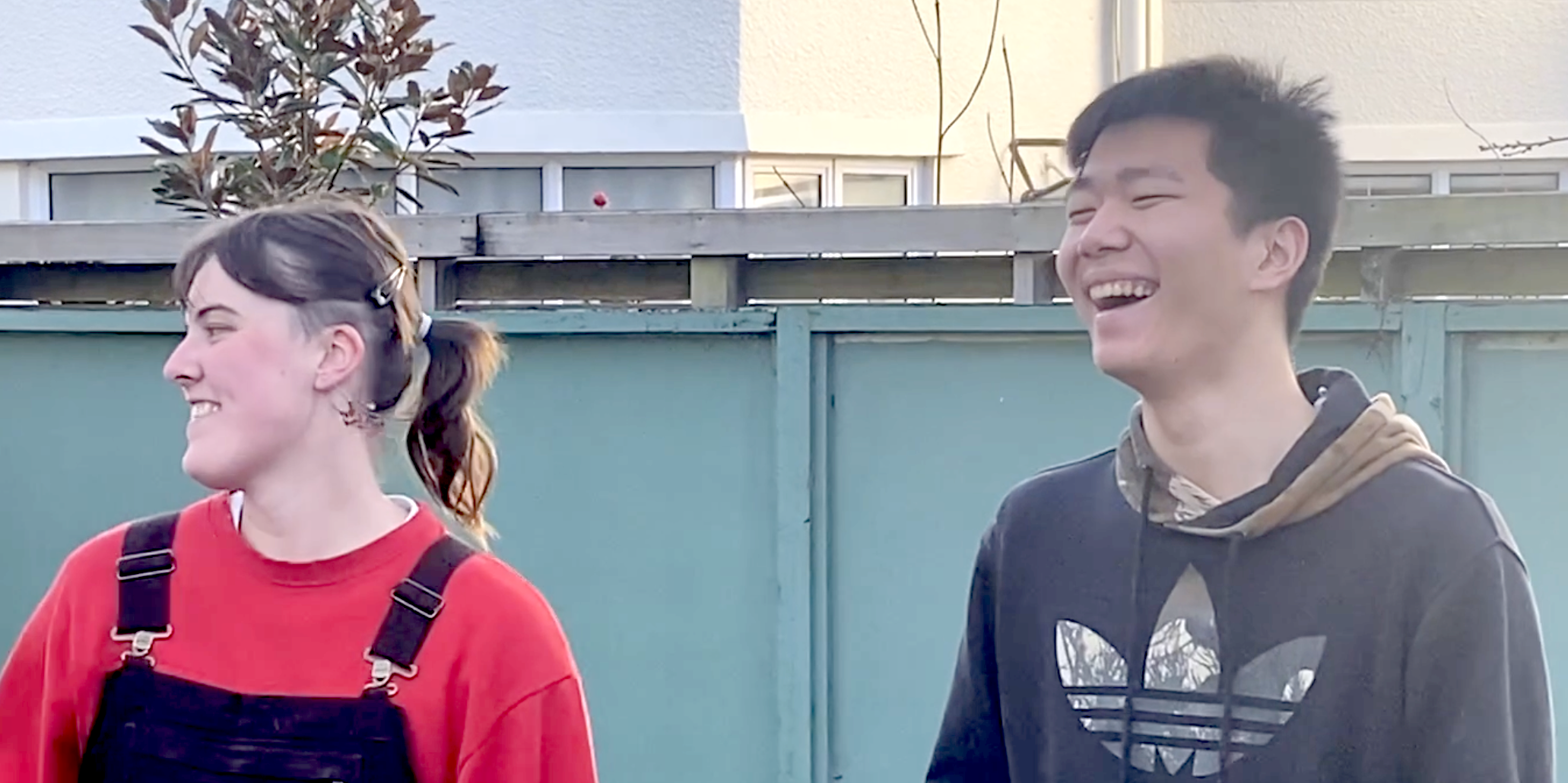
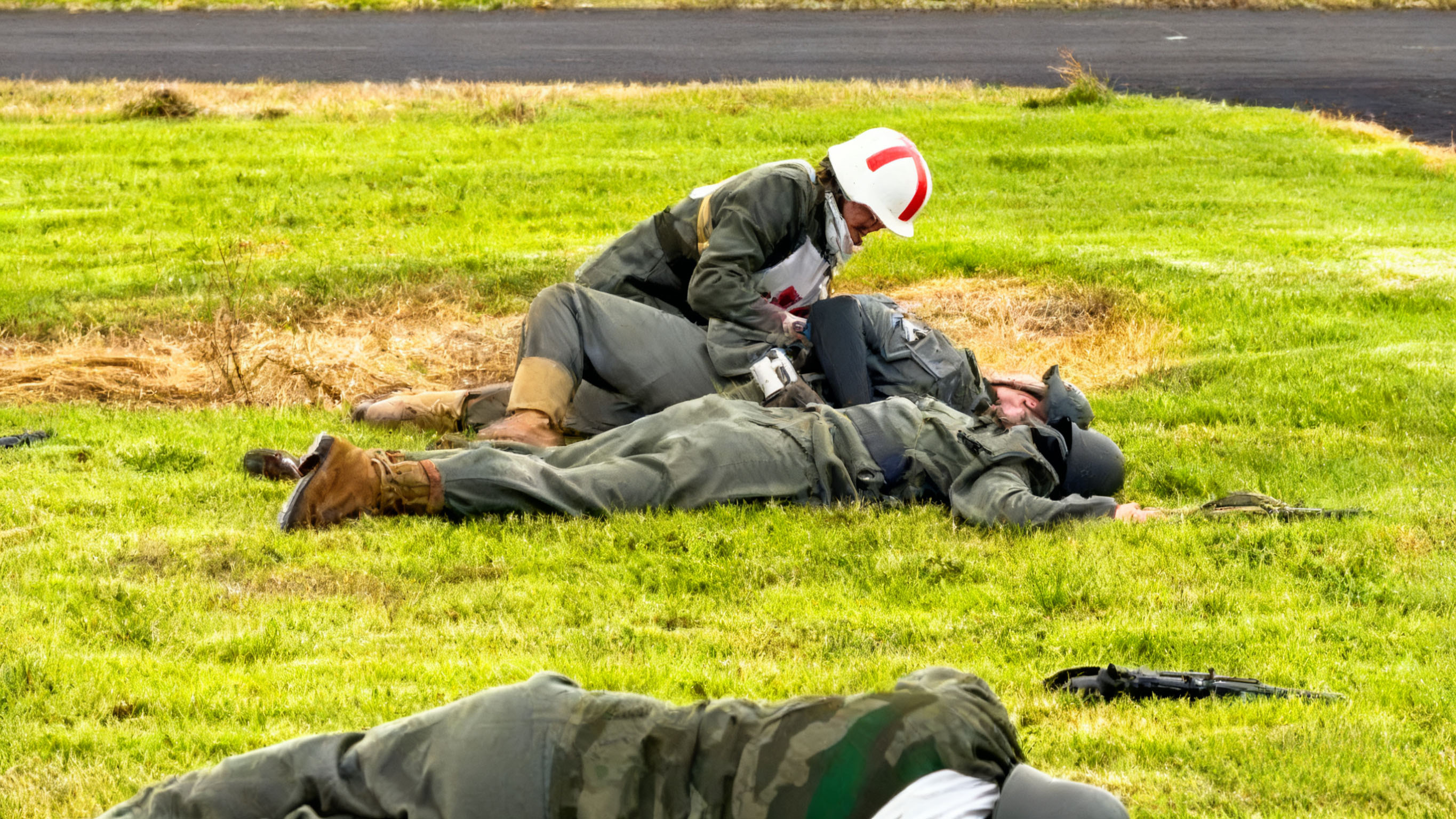
Recently, the social war reenactment club I joined held a V-E Day (World War II Victory Day) event. At the site, I’d just finished telling a group of kids “why soldiers’ canteens were tied with a string” when Uncle John—who was dressed as a veteran—tapped me on the shoulder, making everyone around us laugh. Even now, thinking about the sunlight that day and the olive-green tents on the grass, my heart still feels a mix of warmth and heaviness.
Honestly, when I first joined the club, I was purely drawn to the idea of “bringing history to life through reenactment”—who wouldn’t want to get their hands on vintage walkie-talkies, or listen to veterans chat about “funny stories from the trenches” in the tone they used back then? But once I dived into preparing for the V-E Day event, I realized this was way more than just “cosplay.”
Take that camouflage tent in the video, for example: we spent a whole week getting it ready. The vintage field phone had to be polished until it shone; the military backpacks were stuffed with reproduced field rations; even the burlap sacks we laid on the ground had to have a texture similar to those from the 1940s. My job was to cover “the war from a civilian’s perspective,” explaining to visitors in both Chinese and English “how ordinary people lived during the war.” To make the “material shortages” vivid, I held up a tin biscuit box and demonstrated: “Back then, a single compressed biscuit had to be split over three days. Kids barely even saw sugar. So when we look at these ‘old boxes’ now, it’s not about thinking they’re ‘cool’—it’s about feeling a little sad for what they went through.”
On the day of the event, the small detail that stuck with me most was this: a wheelchair-bound grandpa, pushed over by his granddaughter, stared at the military canteen in the tent for a long time. I stepped over to translate (the grandpa spoke accented English, and his granddaughter wanted a Chinese explanation) and learned that his father had carried the exact same type of canteen when he went off to war—never to come back. I pointed to the scuff marks on the canteen and translated: “These little scratches were probably from bumps he got during marches…” Before I could finish, the grandpa’s eyes turned red, and his granddaughter squeezed his hand tight. In that moment, I suddenly understood: what we were “reenacting” wasn’t the excitement of gunfire and explosions—it was the separations and regrets behind every family affected by the war.
Later, a group of middle school students crowded around asking, “Is war really unavoidable?” My club mates and I took turns answering, jumping from “letters home written by soldiers back then” to “the peace we have now, where we can sit in the grass and soak up the sun.” A boy in a green hoodie suddenly chimed in: “So anti-war isn’t just shouting ‘war is terrifying’—it’s understanding how precious it is to ‘eat well and chat freely in peace.’”